

Second- and third-tier cities compete to attract talents









 |
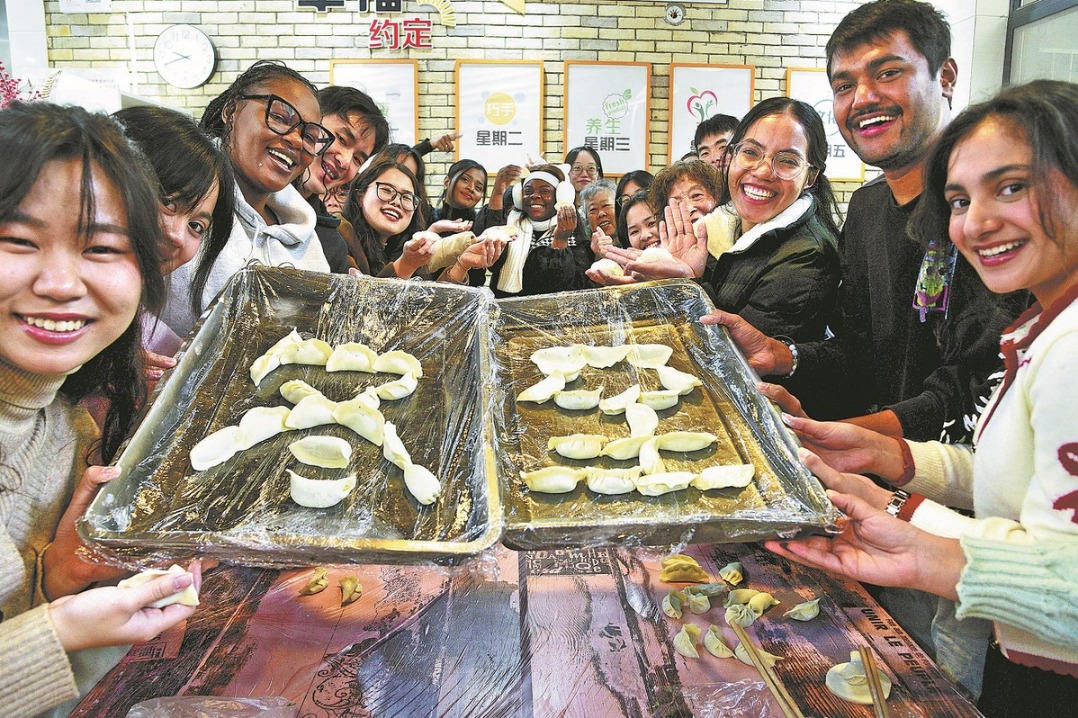
| Graduates throw their caps in the air in front of the library in Southeast University in Nanjing, Jiangsu province, on June 14, 2017. [Photo/VCG] |
Many second- and third-tier cities in China have rolled out a slate of favorable policies to attract university graduates, dubbed the latest wave of talent grabs, chinanews.com reported.
A survey carried out by Zhaopin.com, one of China's leading recruitment websites, shows 37.5 percent of China's new university graduates in 2017 want to work in second- and third-tier cities — metropolises besides Beijing, Shanghai, Guangzhou and Shenzhen.
These fresh graduates have become the chasing targets of second- and third-tier cities. To attract as much talent as possible, cities exert themselves to implement policies and provide benefits, which are appealing to the university graduates.
Though the policies vary from city to city, they generally focus on major issues concerning graduates, including preferential treatment for permanent residence (called hukou in Chinese), housing and government subsidies.

- Historical Han Dynasty slips go on display in Hohhot
- Shanghai unveils steps to build sci-tech innovation corridor in Yangtze River Delta
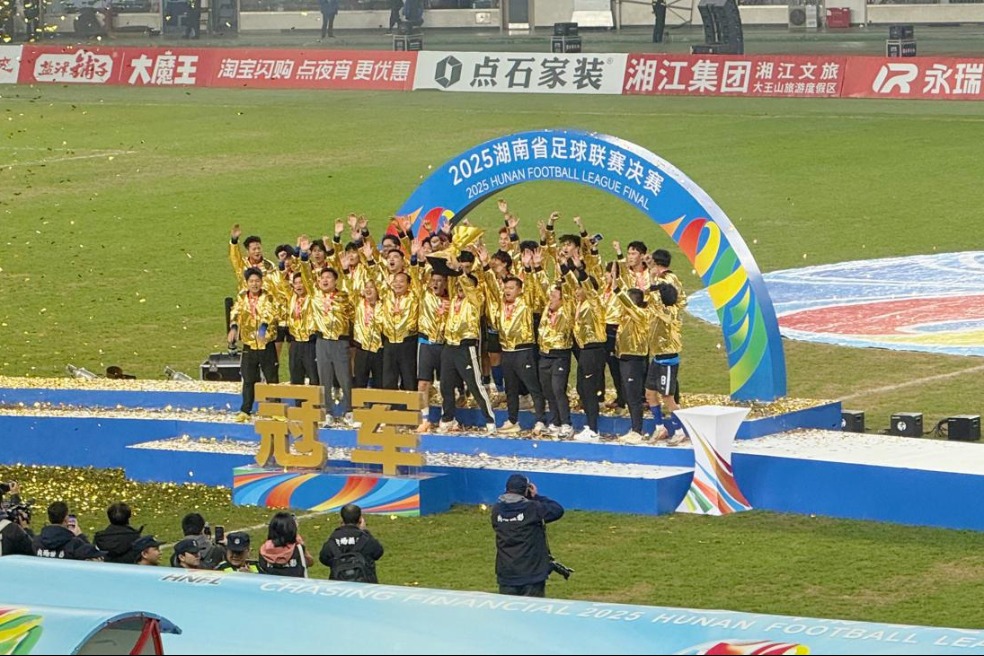
- Xiangchao concludes with Yongzhou claiming championship
- Answers
- CPC leadership meeting urges steadfast implementation of eight-point decision on improving conduct
- Ethiopian coffee trading center unveiled in Zhuzhou